Writing references
Before
You like how an article reads, but “write like this” leaves the relevant choices unspecified.
After
Review sentence length, perspective, and tone indicators alongside source excerpts and a reusable prompt.
A Skill for writers, content teams, and designers who need to turn creative references into clear direction.
Analyze writing patterns and visual characteristics, then organize them into structured descriptions and reusable prompts.
Explore the examples ↗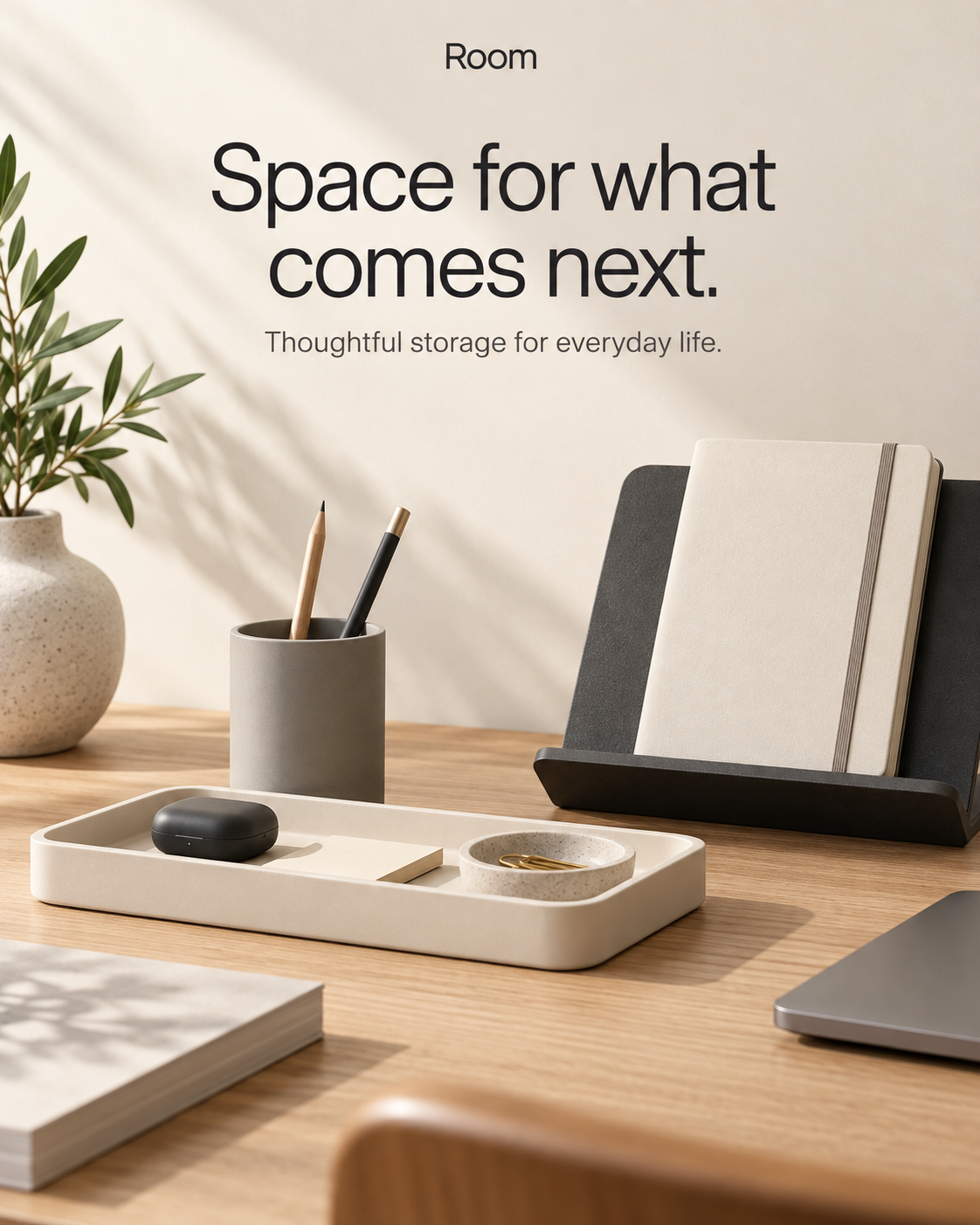
You like how an article reads, but “write like this” leaves the relevant choices unspecified.
Review sentence length, perspective, and tone indicators alongside source excerpts and a reusable prompt.
A reference image suggests a mood, but “clean” or “premium” leaves room for interpretation.
Combine measured file properties with AI-supplied observations about composition, lighting, and texture.
A reference can communicate a direction without explaining the decisions behind it.
For a writer, the useful detail may be short paragraphs or direct address. For a designer, it may be a limited palette or a particular lighting treatment. Document those choices so your team can review, adjust, and share them.
“Use short sentences and address the reader directly” gives collaborators something concrete to work with. Identify the relevant characteristics, choose what to retain, and adapt the brief to your project.
Provide Chinese or English text, or a PNG, JPEG, or GIF image. A vision-capable AI supplies observations about visible image characteristics.
Review writing metrics and selected tone indicators. For images, inspect dimensions and proportions, plus color data for supported PNG files.
Take the description and prompt into your next task. Add the subject, audience, and project requirements. Content generation happens in your chosen creative tool.
Displays are designed from actual run outputs. The copy is original demonstration material; the poster is an AI-generated fictional-brand concept.
晚上九点,你合上电脑,桌面却还没有下班。
充电线绕过水杯,耳机压着便签,下午翻开的书停在键盘旁边。
The analysis uses body text. Chinese headings were excluded to avoid affecting sentence segmentation.
Use sentences averaging around 21 Chinese characters. Address the reader directly in the second person, with a restrained, qualified tone and roughly two sentences per paragraph.
Source evidence: “我们设计「留白」桌面收纳系列,就从这个动作开始:让每天用到的东西有地方可回,也让桌面随时能换一种用途。”
{
  "style_prompt": "句长适中(平均约 21 字),句长均匀、节奏平稳,第二人称直接对读者说话,语气克制、多用限定词,每段约 2 句,少用感叹号,使用排比或句式复沓,情绪词克制,不使用列表分条,用词偏书面、含较多生僻字,整体可读性demanding。(仅描述文体风格,不含任何原文主题或内容。)",
  "evidence": [
    {
      "trait": "longest_sentence",
      "quote": "我们设计「留白」桌面收纳系列,就从这个动作开始:让每天用到的东西有地方可回,也让桌面随时能换一种用途。"
    },
    {
      "trait": "shortest_sentence",
      "quote": "不用记住一套整理规则。"
    },
    {
      "trait": "question",
      "quote": "第一次使用时,不妨先问自己:每天离开家前,我最常找什么?"
    }
  ]
}By the end of the day, your desk has collected a little of everything. A charging cable. Yesterday’s notes. The headphones you put down between calls.
Original English product copy, with wording and paragraph breaks preserved.
short sentences (mean ~11 words); even sentence lengths for a steady rhythm; second-person voice speaking straight to the reader; hedged, qualifying tone; predominantly present tense; paragraphs of about 3 sentences
Source evidence: “Yesterday’s notes.”
{
  "style_prompt": "short sentences (mean ~11 words); even sentence lengths for a steady rhythm; second-person voice speaking straight to the reader; hedged, qualifying tone; predominantly present tense; paragraphs of about 3 sentences; few or no exclamation marks; imperative sentences giving direction; restrained emotive wording; prose only, no lists; plain, common diction; overall easy readability. (Style only — contains no topic or content from the source.)",
  "evidence": [
    {
      "trait": "shortest_sentence",
      "quote": "Yesterday’s notes."
    },
    {
      "trait": "longest_sentence",
      "quote": "A shallow tray, a pen holder, and an open book stand give the things you reach for a place to return to."
    },
    {
      "trait": "question",
      "quote": "Is it your key?"
    }
  ]
}1122 × 1402 px. Shares refer to sampled pixels. The five leading clusters do not account for the entire image.
AI-supplied visual observationsCompositionCentered headline above a layered tabletop arrangement.
LightingSoft upper-left light with diagonal foliage shadows.
TextureMatte surfaces, visible wood grain, paper, and ceramic-like textures.
A portrait product poster with warm, muted neutrals, centered sans-serif typography, and generous negative space. Use a layered tabletop arrangement, soft side light, and fine matte textures.
Edited summary of the actual output. No era was supplied; the raw result records it as missing.
{
  "language": "en",
  "observations": {
    "composition": "Portrait product poster with centered sans-serif headline in the upper area, generous negative space, and a layered tabletop arrangement below; tray across the foreground, pen cup left of center, tall book stand on the right, cropped foliage along the left edge.",
    "subject": "Desktop storage objects: a shallow tray with small accessories, pen cup, and upright notebook on a book stand.",
    "lighting": "Soft directional light from the upper left, casting diagonal foliage shadows on the wall and gentle object shadows on the desk.",
    "color_mood": "Warm ivory and natural wood tones, muted gray, charcoal accents, and subdued green foliage.",
    "medium": "Photorealistic product campaign image with overlaid typography; supplied as an AI-generated fictional brand demonstration.",
    "texture": "Fine matte surfaces, visible wood grain, speckled ceramic-like vessels, paper and fabric-like notebook cover.",
    "camera": "Slightly elevated oblique view of the tabletop, with softer foreground objects and sharper central products."
  },
  "style_card": "A PNG image, 1122x1402 px (1.57 MP), portrait, at roughly 4:5 (0.8003). From 4086 sampled pixels the dominant palette is #E4D8CB (13.34%), #F0E6DA (11.43%), #DCD1C4 (9.96%), #F6EFE5 (9.2%), #D6C8B9 (9.18%); brightness 0.6968 (mid-key) and saturation 0.2177 (muted). The calling agent observes — composition: Portrait product poster with centered sans-serif headline in the upper area, generous negative space, and a layered tabletop arrangement below; tray across the foreground, pen cup left of center, tall book stand on the right, cropped foliage along the left edge.; subject treatment: Desktop storage objects: a shallow tray with small accessories, pen cup, and upright notebook on a book stand.; lighting: Soft directional light from the upper left, casting diagonal foliage shadows on the wall and gentle object shadows on the desk.; colour mood: Warm ivory and natural wood tones, muted gray, charcoal accents, and subdued green foliage.; medium: Photorealistic product campaign image with overlaid typography; supplied as an AI-generated fictional brand demonstration.; texture: Fine matte surfaces, visible wood grain, speckled ceramic-like vessels, paper and fabric-like notebook cover.; camera / lens: Slightly elevated oblique view of the tabletop, with softer foreground objects and sharper central products.. This is a style description only; the skill generates no image.",
  "style_prompt": "portrait 4:5 frame; composition Portrait product poster with centered sans-serif headline in the upper area, generous negative space, and a layered tabletop arrangement below; tray across the foreground, pen cup left of center, tall book stand on the right, cropped foliage along the left edge.; subject treatment Desktop storage objects: a shallow tray with small accessories, pen cup, and upright notebook on a book stand.; lighting Soft directional light from the upper left, casting diagonal foliage shadows on the wall and gentle object shadows on the desk.; colour mood Warm ivory and natural wood tones, muted gray, charcoal accents, and subdued green foliage.; medium Photorealistic product campaign image with overlaid typography; supplied as an AI-generated fictional brand demonstration.; texture Fine matte surfaces, visible wood grain, speckled ceramic-like vessels, paper and fabric-like notebook cover.; camera / lens Slightly elevated oblique view of the tabletop, with softer foreground objects and sharper central products.; palette of #E4D8CB, #F0E6DA, #DCD1C4, #F6EFE5; mid-key and muted. (Style, composition, and colour only; names no living artist and describes no copyrighted character.)",
  "missing": [
    "era"
  ],
  "notes": [
    "Extraction only: this skill describes style; it does not generate an article or an image."
  ]
}Writing outputs include measurements and source excerpts. Image outputs separate file properties from AI-supplied observations.
Both modes return a style description and prompt for use in creative briefs and reference libraries.
Unprovided visual observations are listed separately. The output notes when palette extraction is unavailable.
The extraction script uses the Python standard library and needs no API key. Any AI used to inspect images operates separately under its own processing settings.
Save useful descriptions as creative resources. Revisit specific choices, adapt them to a new context, and share the reasoning behind your direction.
Start with an article or reference image. Get a structured style description and a reusable prompt to guide your next creative project.
Explore style-extractor on Finch ↗