SOURCE SCOUT / FROM PRODUCT DISCOVERY TO AN INFORMED NEXT STEP
01 / THE SOURCING EDIT · FINCHIP SKILL
Found a product worth exploring? This Skill helps you research sourcing options.
Start with a market, a category or a product link. Get a sourcing research report that brings together product candidates, supplier leads, alternatives and the questions still worth asking.
Case snapshots dated September 20, 2026. Not a live product catalog.
CASE CANDIDATE · INDEXED RETAIL PRICE
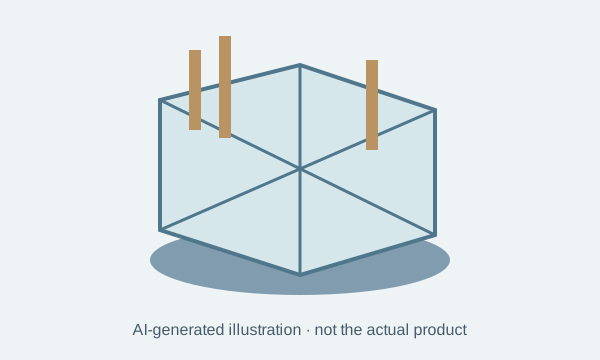
Clear rotating organizer
$18.82
USD / unit · recheck current pricing
CASE CANDIDATE · INDEXED RETAIL PRICE
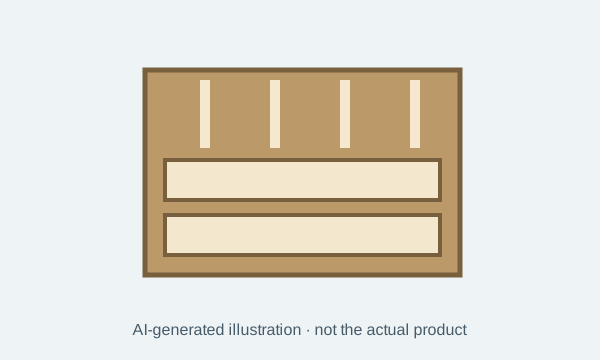
Bamboo file organizer
$22.99
USD / unit · recheck current pricing
CASE CANDIDATE · INDEXED RETAIL PRICE
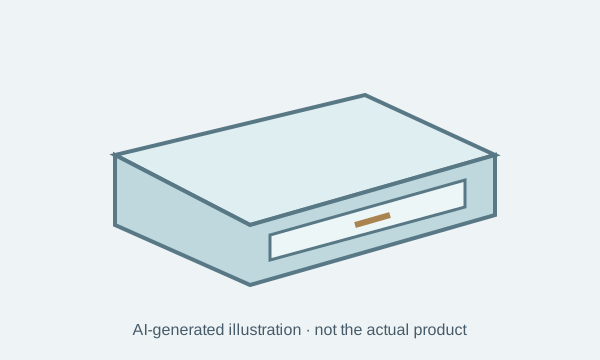
Paper tray with drawer
$24.47
USD / unit · recheck current pricing
RESEARCH BAG8 → 3
8 candidates. 3 provisional picks for further research.
CASE 01 · NOT A SALES RANKING
WALMART US × ALIBABACATEGORY → CANDIDATES → SOURCING LEADSHTML + JSON / ZH + EN
02 / BEFORE / AFTER
A saved link is only the beginning.
Products scattered across tabs
A candidate comparison
Review prices, specifications, sources and selection reasons together.
Similar photos, unclear specifications
Differences made explicit
Check transparency, compartments and rotation separately.
Ready to inquire, unsure what to ask
Questions ready for follow-up
Turn gaps into questions about materials, samples, MOQ and packaging.
03 / YOUR NEXT FIND
Keep the research moving after the first find.
You find a rotating desk organizer with potential. Now you need to compare materials, dimensions and order quantities, and decide whether another design would serve the same need.
Build a retail baseline, explore sourcing routes and record what still needs verification. Each lead comes with a clearer view of the work required before a purchasing decision.
05 / HOW IT WORKS
Turn a search into a sourcing workflow.
01
Define the starting point
Provide a market and category, or a specific product link.
02
Establish the baseline
Record public prices, specifications, sources and research dates.
03
Compare possible routes
Distinguish similar designs, alternatives and unverified search leads.
04
Keep the research
Keep HTML, JSON, validation records and an inquiry checklist.
06 / REAL OUTPUTS
Two starting points. Research you can build on.
CASE 01 / CATEGORY DISCOVERY
From a desk-storage category to a research shortlist.
Input: non-electric desktop storage on Walmart US. Output: evidence comparisons for 8 candidates, 3 provisional picks and possible sourcing and alternative routes.
8CANDIDATES
3PROVISIONAL PICKS
2LANGUAGES
Directions shortlisted
Rotating organizerUSD 18.82
Bamboo file organizerUSD 22.99
Paper tray with drawerUSD 24.47
Indexed case prices · sourcing costs unconfirmed
REPORT EXCERPT / 01
US desktop storage · candidate comparison
Rotating organizerUSD 18.82
Bamboo file organizerUSD 22.99
Paper tray with drawerUSD 24.47
Selected for specification clarity, visible feedback and sourcing comparison value.
Public-information draft · no 30-day trend established
Report excerpt · reformatted for this showcase
Keep the reasoning and its limits.
The shortlist considers specification clarity, visible feedback and sourcing comparison value. Access limits, missing quotes and specification differences remain visible for follow-up.
Keep source records, research dates and access checks for review.
02
Compare before requesting a quote
Record materials, dimensions, compartments and rotation separately.
03
Turn gaps into next steps
Missing quote terms stay open. Unconfirmed specifications become follow-up questions.
08 / KEEP THE RESEARCH
Make the next decision build on this one.
Share the report with a merchandising colleague, a sourcing partner or your future self. Return to the same evidence when checking specifications, collecting quotes or planning samples.
Bilingual HTML reportsFor reading and sharing
Structured JSONFor reuse and further analysis
Sources and open questionsA starting point for the next research round