No clear asset priority
Teams spend time generating one-off set dressing instead of assets that carry story beats and recur.
English Edition · Pride and Prejudice
novel-art is an art-preparation skill for AI short drama and literary adaptation. It turns important environments and narrative props into editable, generatable, reviewable, and handoff-ready assets.
What it is
novel-art does not replace an image model. It selects assets, defines identity and variants, validates the spec, and packages the handoff. An available image tool produces the renders.
Original text or a scene list; optional episode outline and character data.
Select primary environments and key props; define appearance, lighting, state, scale, and prompts.
art.json, Markdown, an HTML review page, and optional environment or prop images.
Why teams need it
Teams spend time generating one-off set dressing instead of assets that carry story beats and recur.
Window shape, furniture, material, and layout never become shared review anchors.
Closed, open, and used states lack shared identity features and scale.
Requests such as “smaller,” “keep the palette,” or “night only” are not stored as constraints.
Changes remain in chat or a render and disappear at the next handoff.
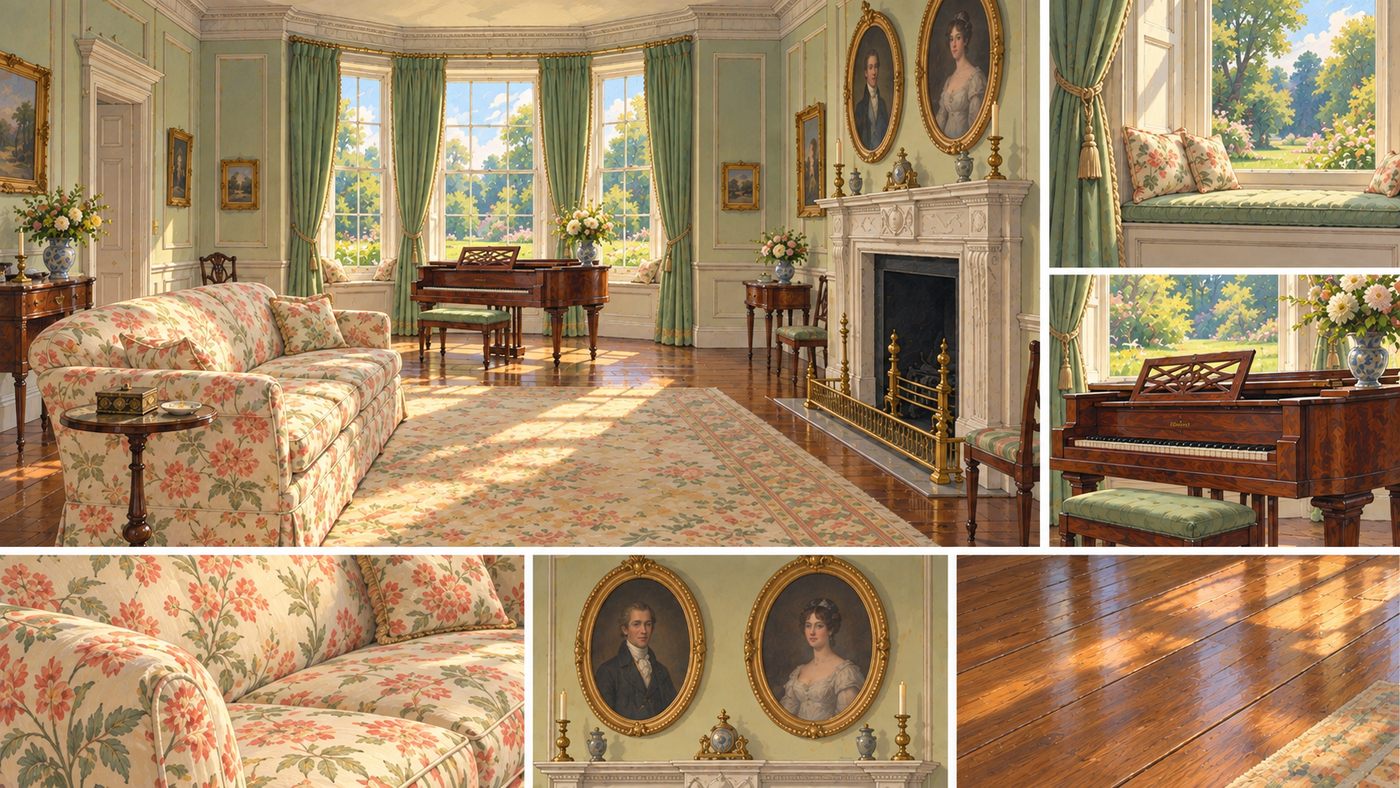
 Same room · daylight
 Same room · night
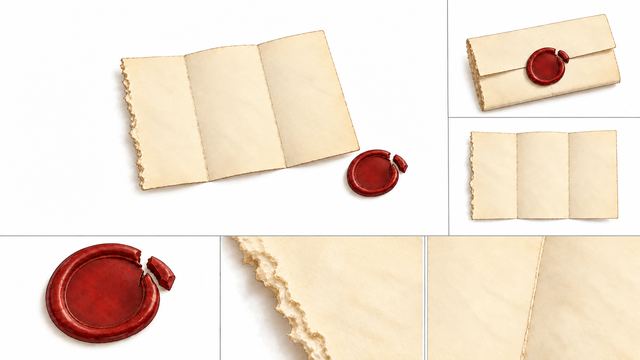 Prop · sealed
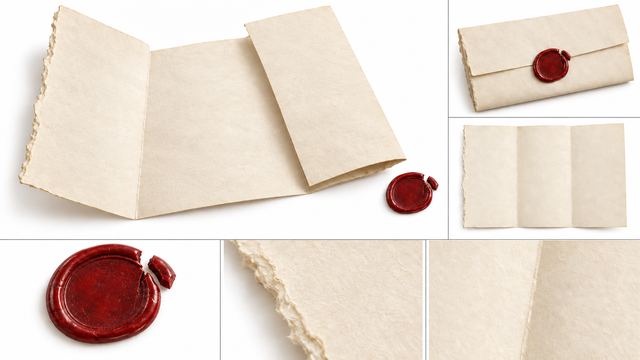 Prop · read
Workflow
Use original text, a manual scene list, or an episode outline.
Prioritize story function, recurrence, and recognition value.
Record identity anchors, lighting, state, scale, and generation constraints.
Check fields, English prompts, variant references, style, scale, and exclusions.
Ask explicitly for images, then keep the spec and renders in sync.
Define anchorsChange lightingDefine prop stateReview continuityBefore and after
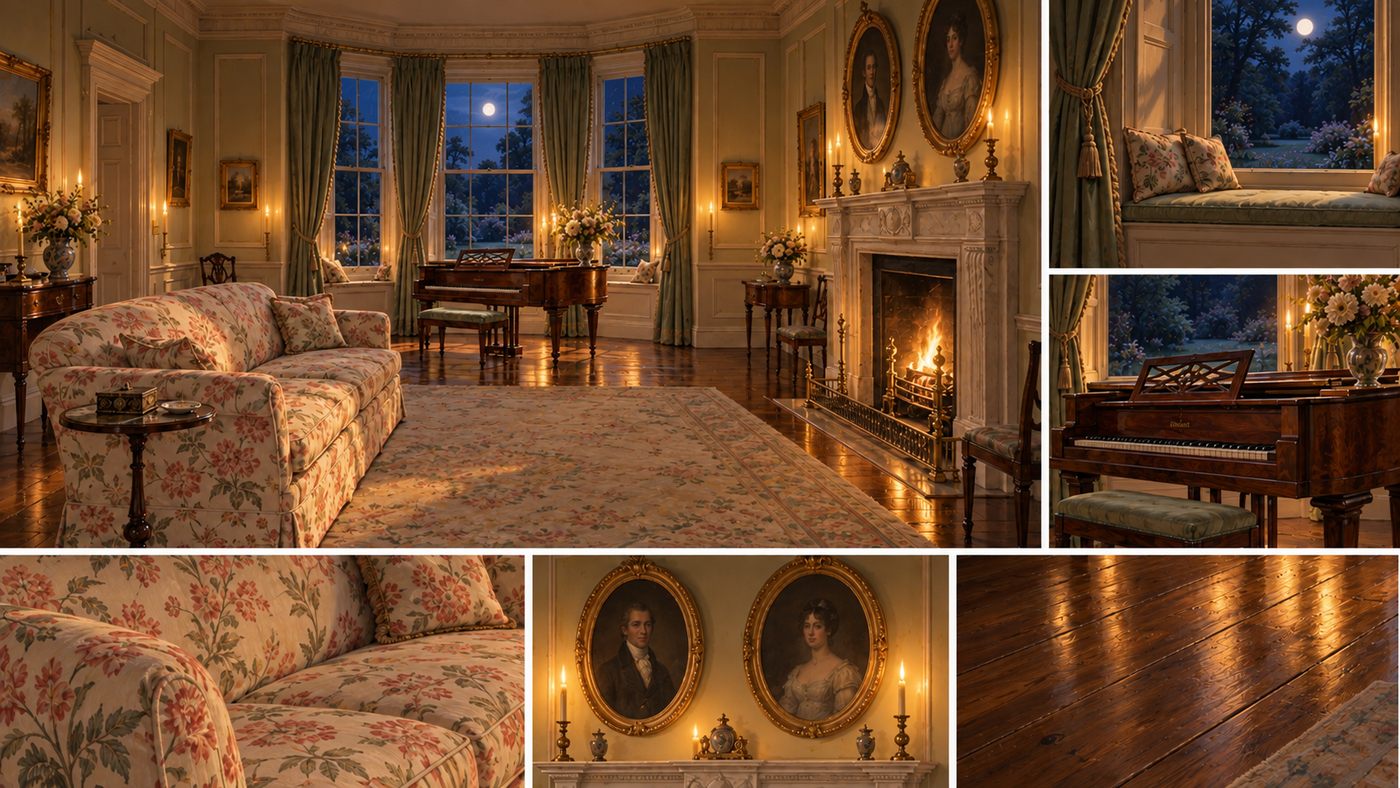 Night variant
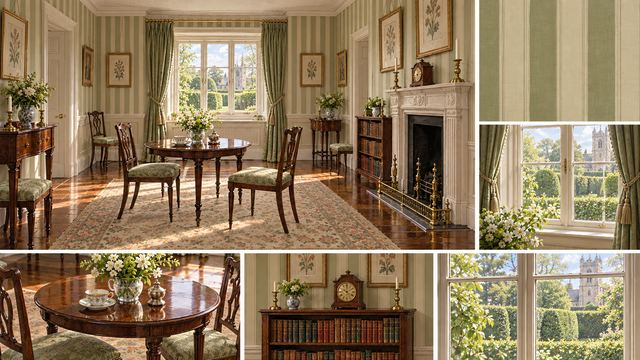 Second locationProp state
Primary case
The day and night sheets preserve the bay window, floral upholstery, piano, fireplace, portraits, and polished floor.
Striped walls, tea table, bookcase, and clock distinguish the parlour while reusing the same design framework.
Sealed and read versions retain cream laid paper, red wax, folds, and period handling marks.
The English case uses landscape detail sheets, so final use and aspect ratio should be agreed before production.
Verified evidence and human judgment
Source text becomes a shortlist of primary environments, variants, and narrative props.
Each environment carries three to five visible, recognizable, reviewable features.
Day/night rooms and sealed/read letter states exist in the supplied image evidence.
Both art.json files passed the validation gates applicable to the supplied data.
Chinese and English source texts entered the same asset-definition workflow.
User value
Get an art-preparation checklist and reduce the effort of translating prose into generation requirements.
Give writers, art, storyboard, and video contributors the same asset names, appearance rules, and states.
Review whether a location or prop is recognizable and whether it carries the intended story function.
Use predictable JSON, Markdown, and HTML outputs between outlines, character data, storyboards, and image generation.
Environment assetLighting variantDistinct locationNarrative propCompetitors and alternatives
Direct image generation and editing when the visual request is already clear.
Alternative entry point and optional rendererText, reference-image, and local edits for visual iteration.
Overlaps in editing, not story-asset structureReference-driven continuity for people, objects, scenes, and style.
Potential downstream image toolGeneration, Elements asset management, and storyboard organization in one production space.
Broader end-to-end workflow comparisonFlexible, but the user must maintain fields, states, prompts, and handoff rules.
General substitute with manual coordinationnovel-outline, novel-characters, and novel-art are complementary stages: episode structure, character assets, then environments and narrative props.
How to introduce it
novel-art is an art-preparation skill for AI short drama and literary adaptation that turns important locations and props into editable, generatable, and handoff-ready assets.
Move from a novel to usable art references without writing the full visual spec yourself.
Keep one set of asset requirements clear across contributors and revisions.
Add a validated asset-spec layer between story structure and downstream generation.